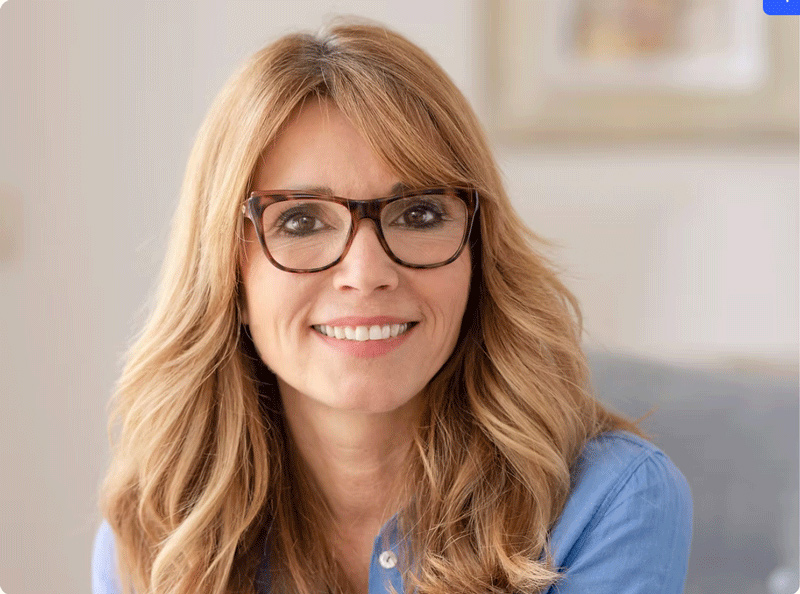
Sarah Hodson
Soft Tissue Therapist
BA(hons) MSMA Graston Practitioner
Experience
- Support for three Olympic cycles with the English Institute of Sport and the British Olympic Association, as well as Team GB HQ during the London 2012 Olympics;
- Marylebone Health Clinic, Harley Street; 292 Performance Limited;
- England Rugby Football Union (RFU): Lawn Tennis Association (LTA);
- Imperial College Boat House Sports Injury Clinic;
- Fulham Football Club First Team
I am dedicated to helping people to move well and live well by employing a clinical and focused methodology.
I use specialised manual therapy to treat tendons, muscles, and ligaments – accelerating the healing process by alleviating tensile and compressive stress on the body. My approach integrates a variety of innovative techniques to effectively release soft tissue through informed touch, breath work, stretching, and tool-assisted mobilisation, helping both mind and body to activate their innate healing capabilities.
I take a holistic viewpoint, acknowledging the connections between mind, body, and spirit, with expertise in Integrated Myofascial Massage Therapy. I actively embrace new trends in health and wellness that are transforming health and wellness.
My aim is to empower individuals to actively participate in their treatment, fostering confidence and promoting recovery by understanding the core principles of health, in particular Fascial health. Nuanced strategies not only address physical discomfort but also nurture mental and emotional health, contributing to the calming of an often-overstimulated nervous system.
With extensive experience in elite sports, I bring a wealth of experience and expertise as a certified practitioner of the advanced Graston Technique and an Accredited Level 4 member of the Sports Massage Association.
New Global Trends that are transforming health and wellness
The health-tech optimisation backlash
While health-tec has its place, therapists warn that over-dependence on wearables and data-driven care can tip people from motivation to anxiety and fixation. There is a movement to more balanced approaches that are more holistic and human, prioritising nervous-system safety, emotional repair and pleasure over metrics. Ultimately wellness isn’t about measurement and optimising harder, it’s about feeling safer, more connected and more alive.
Women get their own lane for wellness
The longevity market was built for men, as have been sports fitness. Women are built differently and at long last wellness approaches are starting to reflect that. Women age differently, with the ovary acting as ‘command central’, and new diagnostics and longevity solutions are targeting women’s specific needs at every life stage. Beyond biology, women’s sport has its own dynamics with women globally turning from lonely fitness to empowering team sports and activities – and sports therapy is at long last starting to reflect that.
Longevity expands in new directions
Rather than being confined to occasional visits to clinics, resorts or spas, the new focus for wellness and longevity is everyday living. Longevity is no longer a service you visit—it’s a lifestyle you live in, and the home is arguably becoming the most powerful longevity tool of all. In beauty a focus on superficial ‘anti-aging’ treatments is being replaced by the concept of skin longevity based on a more holistic approach to health.
The rise of Neurowellness
Regulating the nervous system is the next frontier of human health. “Neurowellness’ is moving from niche to mainstream as people realise one of their biggest health bottlenecks isn’t willpower, it’s nervous system overload. Related to this, we are seeing new developments in consumer-friendly neurotech. At the same time, long-standing “soft-care” wellness anchors such as breath work and touch therapy are being re-framed as nervous-system medicine.